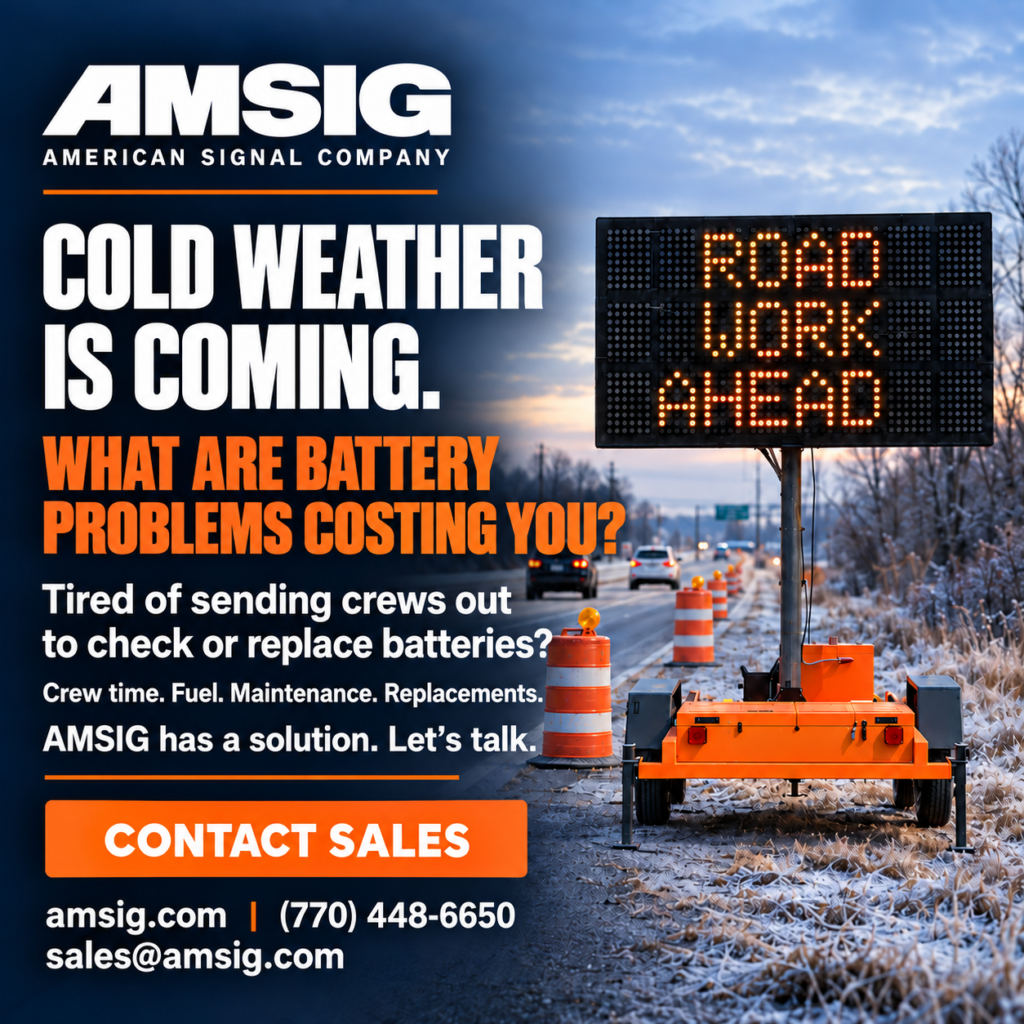
Keep Your Crews Focused on the Job
Repeated message sign service visits can disrupt the workday. See what to review across your fleet before your next battery replacement purchase.

Repeated message sign service visits can disrupt the workday. See what to review across your fleet before your next battery replacement purchase.
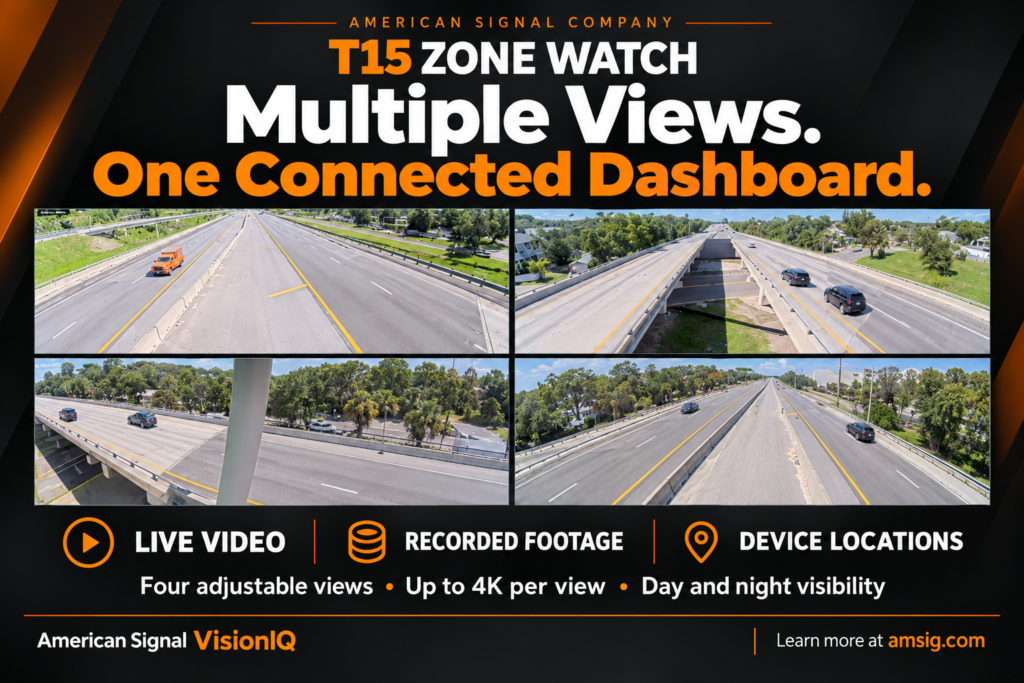
See how T15 Zone Watch brings four adjustable camera views, live video, recorded footage, and device locations together through American Signal VisionIQ.
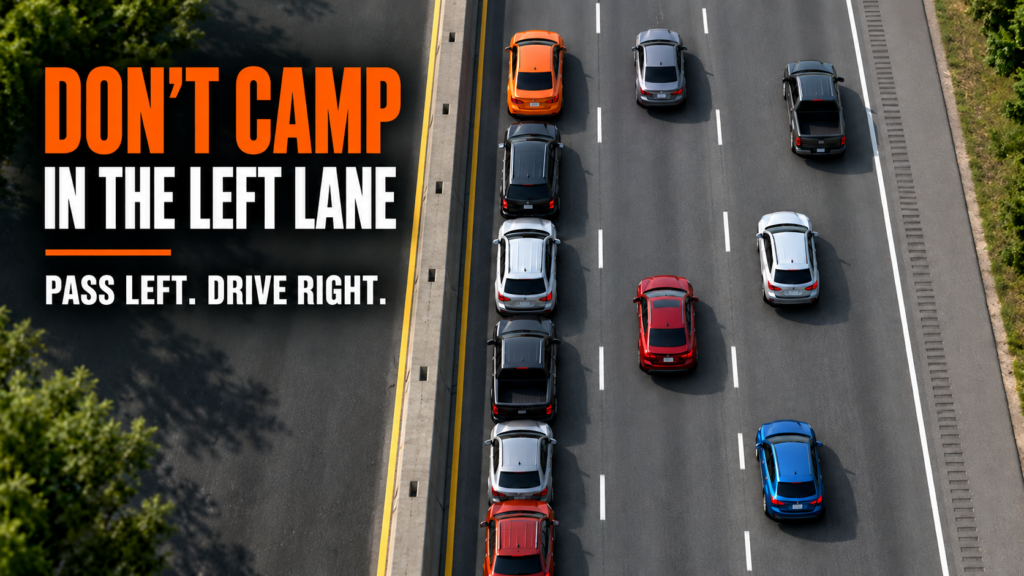
Most drivers have encountered it: a vehicle stays in the left lane for miles while traffic begins stacking up behind it. This is commonly called “left-lane camping.” It may seem like a minor inconvenience, but improper use of the left lane can create congestion, encourage aggressive driving, and increase the number of risky maneuvers happening
Preventing work zone incidents requires more than advance warning. See how Michigan and other agencies are combining speed management, queue detection, real-time messaging, and traffic data to identify hazards before they become crashes.
Traffic backups are frustrating, but when congestion develops unexpectedly near a work zone, a routine delay can quickly become a serious safety hazard. The greatest danger is often not inside the work zone itself. It is at the back of the traffic queue, where vehicles traveling at highway speeds suddenly encounter slow-moving or stopped traffic.
Every person working along our roadways deserves to return home safely. The same is true for every driver and passenger traveling through a construction zone. Improving work-zone safety is a shared goal involving transportation agencies, contractors, equipment manufacturers, workers, and motorists. While barriers, signs, lighting, and proper traffic-control planning all play important roles, one of