Traffic backups are frustrating, but when congestion develops unexpectedly near a work zone, a routine delay can quickly become a serious safety hazard.
The greatest danger is often not inside the work zone itself. It is at the back of the traffic queue, where vehicles traveling at highway speeds suddenly encounter slow-moving or stopped traffic.
A Dangerous Difference in Speed
Drivers approaching a backup may still be traveling at 55, 65, or even 70 miles per hour. Vehicles at the back of the queue may be moving slowly or completely stopped.
According to the Federal Highway Administration, the difference in speed between approaching traffic and vehicles already in a queue can reach 60 miles per hour or more. This creates conditions where rear-end crashes can be especially severe.
The danger increases when the end of the queue forms:
- Around a curve
- Over the crest of a hill
- At night or during poor weather
- Beyond the limits of the original work zone
- At a location drivers do not expect
A driver may have only a few seconds to recognize the backup, react, and stop.
Why Backups Can Develop So Quickly
Work zones reduce the amount of roadway available to traffic. Lane closures, merging vehicles, construction equipment, lower speed limits, and changing traffic patterns can all reduce capacity.
Once the number of approaching vehicles exceeds what the work zone can handle, a queue begins to form. The end of that queue can move upstream quickly and may extend far beyond the signs and devices originally placed around the project.
A warning sign positioned at a fixed location cannot always account for a queue that changes throughout the day.
Distraction Makes the Problem Worse
Drivers may be looking at a phone, adjusting navigation, talking with passengers, or simply not expecting traffic to stop. Even a short distraction can eliminate the time needed to react safely.
At 55 miles per hour, a vehicle travels approximately the length of a football field in five seconds. When traffic ahead has stopped unexpectedly, those few seconds matter.
Large commercial vehicles face an additional challenge because they require more time and distance to stop. A fully loaded truck approaching the back of a queue may not be able to avoid a collision if the driver receives the warning too late.
One Crash Can Lead to Another
A crash at the back of a queue can create additional congestion and increase the risk of a secondary incident.
Emergency responders must then enter an already congested roadway. Traffic may stop farther upstream, placing another group of drivers at risk. What began as a normal construction delay can become a much larger safety and mobility problem.
Giving Drivers More Time to React
Advance warning is one of the most effective ways to address back-of-queue risk.
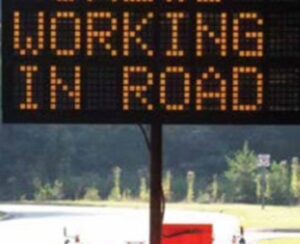
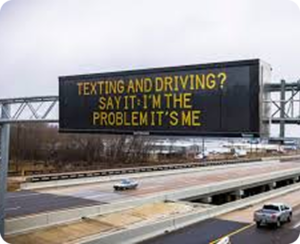
Portable Changeable Message Signs can alert drivers before they reach stopped or slowing traffic. Messages such as “SLOW TRAFFIC AHEAD” or “PREPARE TO STOP” give motorists time to reduce their speed and increase their following distance.
For projects where traffic conditions change frequently, automated queue detection can provide an additional layer of protection. Sensors monitor vehicle speeds and traffic flow. When a slowdown or backup is detected, warning messages can be activated on upstream message signs.
Because the warnings respond to current conditions, they can move with the queue instead of remaining tied to one fixed location.
Safer Work Zones Require Timely Information
Drivers make better decisions when they receive clear information early enough to act.
Portable message signs, traffic sensors, remote monitoring, and automated queue-warning systems help transportation agencies and contractors communicate changing roadway conditions in real time. These tools cannot eliminate every risk, but they can give drivers the additional awareness and reaction time needed to avoid a serious crash.
At American Signal Company, we manufacture portable message signs and intelligent transportation solutions designed to support safer, better-informed roadways. From standalone PCMS units to connected queue-detection applications, our goal is to help agencies and contractors deliver the right warning at the right time.
To learn more about our traffic-management and work-zone safety solutions, contact American Signal Company.
Sources: Federal Highway Administration work-zone guidance and FHWA Queue Warning Systems best practices.